






Book online
Choose the service you need and complete a short intake. No referral is needed.
A metabolism and obesity specialist is a doctor whose practice centres on the hormone and metabolic systems — the network that controls your blood sugar, weight, energy, and reproductive function. When those systems run out of balance, the effects show up across the whole body, which is why metabolic conditions are so often mistaken for something else. This guide covers what these specialists treat, how the referral process works in Canada, and what you can manage virtually while you wait.
Book Weight-Loss Assessment$149 CAD initial assessment · shown before payment

A metabolism and obesity specialist is a physician focused on weight, blood sugar, hormones, and metabolic health. They assess and manage type 2 diabetes and prediabetes, thyroid disorders, PCOS, low testosterone, and weight-related conditions. Many common concerns in this area can be assessed virtually, with blood work ordered locally and specialist referral arranged when a case is complex.
Clinical content is reviewed for accuracy and scope. TelePlus Care appointments go ahead only when a doctor agrees it is the right call, after a real assessment, and the doctor will explain the next step if virtual care is not the right fit.
Metabolic medicine covers a wide range of conditions, connected by the common thread of hormone production, blood sugar regulation, and weight. Some are extremely common; others are rare enough that most family doctors will refer them onward immediately.
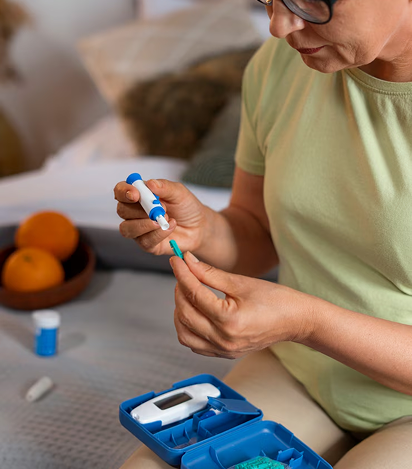
Most hormone-related conditions in Canada start with — and often stay with — a family doctor or a physician focused on metabolic health. A straightforward case of hypothyroidism or well-controlled type 2 diabetes is routinely managed with periodic bloodwork and medication adjustment. A referral to hospital-based specialist care generally happens when the case is complex, unstable, unusual, or not responding to standard treatment.
It depends on the service. Provincial health plans generally require a referral from a family doctor or nurse practitioner before a hospital-based specialist visit is covered, and wait times for non-urgent referrals are frequently measured in months rather than weeks. A virtual clinic like TelePlus Care works differently: you can book directly, without a referral, as a private visit — and in Alberta, a referral from your family doctor or nurse practitioner to Dr. Jerudi makes weight-management visits covered by Alberta Health. A licensed physician with focused expertise in internal medicine, metabolism, and obesity medicine reviews your concerns, orders the right blood work, and starts or adjusts treatment where appropriate. If your case needs hospital-based specialist care, the referral is arranged for you with your results already in hand.
Metabolic diagnosis leans heavily on laboratory testing, because hormone and blood sugar levels are not something an examination alone can reveal. Expect the visit to be structured around your history and your numbers.

Metabolic care is unusually well suited to virtual follow-up, because so much of it is built on lab results and medication titration rather than hands-on examination. A months-long wait for in-person care does not have to be a period where nothing happens. A virtual physician can order the baseline bloodwork, start or adjust first-line treatment where appropriate, and keep a chronic condition stable in the meantime.
Hormonal and metabolic conditions rarely announce themselves clearly. The symptoms are usually non-specific — the kind of thing that gets attributed to stress, ageing, or a bad stretch of sleep. Persistent versions of the following are worth a conversation and, usually, some bloodwork.
Connect with a licensed healthcare provider from the comfort of your home. No referral needed — book your virtual appointment today.
Book Weight-Loss AssessmentTelePlus Care is not an urgent care clinic. If you have an emergency, please call 911 or go to the nearest urgent care facility.
Choose the service you need and complete a short intake. No referral is needed.
Speak with a Canadian licensed doctor by phone or secure video, daily from 8:00 AM to 7:00 PM Mountain Time.
When clinically appropriate, you can receive a prescription, a note, a lab requisition, or a referral.
Virtual care is not for emergencies. Call 911 for an emergency, or 811 for free nurse advice.
Want to hear from patients? Read TelePlus Care reviews on Google
Medical Disclaimer: The information on this website is for general informational purposes only and does not constitute medical advice. Always consult with a qualified healthcare provider before making any health-related decisions. If you are experiencing a medical emergency, call 911 immediately.
Find us in Edmonton, Alberta