






Book online
Choose the service you need and complete a short intake. No referral is needed.
In the intricate tapestry of men's health, one often overlooked thread is testosterone, the key hormone that plays a crucial role in various bodily functions. When levels dip below normal, it can lead to a myriad of concerns affecting your physical health, emotional well-being, and quality of life. At TelePlus Care, our experienced healthcare providers offer comprehensive virtual assessments and personalized treatment plans for low testosterone, helping you regain vitality and well-being from the comfort of your home.
Book TRT Assessment$199 CAD initial TRT/HRT assessment · shown before payment
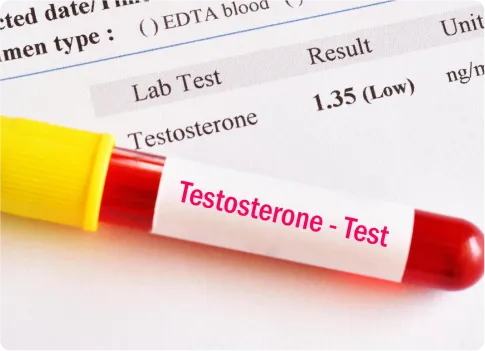
TelePlus Care provides confidential online low testosterone assessment in Alberta. A licensed doctor reviews symptoms, medications, sleep, weight, fertility goals, medical history, and bloodwork before discussing lifestyle changes, repeat testing, testosterone therapy, or referral when needed.
Clinical content is reviewed for accuracy and scope. TelePlus Care appointments go ahead only when a doctor agrees it is the right call, after a real assessment, and the doctor will explain the next step if virtual care is not the right fit.
Testosterone is the primary male sex hormone, responsible for the development of male reproductive tissues and the promotion of secondary sexual characteristics such as increased muscle mass, bone density, and body hair growth. It also plays a vital role in mood regulation, energy levels, and cognitive function. Low testosterone, also known as hypogonadism or "low T," occurs when the body does not produce enough testosterone. While testosterone levels naturally decline with age, some men experience a more significant drop that can lead to noticeable symptoms and health concerns.
Low testosterone can manifest through a wide range of symptoms that affect both physical and emotional health. Recognizing these symptoms is the first step toward getting the help you need.

Low testosterone can result from a variety of factors. Understanding the underlying cause is important for developing an effective treatment plan.

At TelePlus Care, we offer evidence-based treatment options tailored to your individual needs. Our providers work closely with you to develop a treatment plan that addresses both your symptoms and underlying causes.

The first step is confirming whether testosterone is actually the problem. Your doctor reviews symptoms, morning energy, libido, erectile function, sleep quality, snoring or sleep apnea symptoms, weight changes, medications, alcohol use, fertility goals, depression or anxiety symptoms, and prior lab results. Many low-T symptoms overlap with thyroid disease, diabetes, sleep apnea, stress, and medication side effects, so the assessment looks wider than testosterone alone.
Testosterone replacement therapy should not start from a single vague symptom checklist. A doctor may request properly timed testosterone testing and related labs, then repeat or expand testing if results do not match the symptoms. If treatment is appropriate, follow-up monitoring is needed to check response, side effects, blood counts, prostate-related concerns when relevant, and whether the plan still fits your goals.
At TelePlus Care, we understand that low testosterone can be a sensitive and personal issue. Our virtual healthcare platform provides a comfortable, confidential environment for you to address your concerns.

Getting started with TelePlus Care is simple and straightforward. Follow these steps to access quality virtual healthcare from the comfort of your home.

Connect with a licensed healthcare provider from the comfort of your home. No referral needed — book your virtual appointment today.
Book TRT AssessmentTelePlus Care is not an urgent care clinic. If you have an emergency, please call 911 or go to the nearest urgent care facility.
Choose the service you need and complete a short intake. No referral is needed.
Speak with a Canadian licensed doctor by phone or secure video, daily from 8:00 AM to 7:00 PM Mountain Time.
When clinically appropriate, you can receive a prescription, a note, a lab requisition, or a referral.
Virtual care is not for emergencies. Call 911 for an emergency, or 811 for free nurse advice.
Want to hear from patients? Read TelePlus Care reviews on Google
Medical Disclaimer: The information on this website is for general informational purposes only and does not constitute medical advice. Always consult with a qualified healthcare provider before making any health-related decisions. If you are experiencing a medical emergency, call 911 immediately.
Find us in Edmonton, Alberta