






Book online
Choose the service you need and complete a short intake. No referral is needed.
Type 2 diabetes impacts millions worldwide, often without obvious warning signs. Recognizing and responding to its symptoms is crucial, as untreated diabetes can lead to serious health complications affecting the heart, kidneys, and nerves. Early detection allows for proactive management and a higher quality of life. Let's explore key symptoms of Type 2 diabetes, helping you understand what to watch for and how to take action if symptoms arise. By identifying potential warning signs early, you can make informed decisions about your health and reduce the risk of long-term complications.
Book Your Appointment Now
Recognize the early symptoms of Type 2 diabetes and learn about risk factors, diagnosis, lifestyle changes, and management strategies for better health. Type 2 diabetes impacts millions worldwide, often without obvious warning signs. Recognizing and responding to its symptoms is crucial, as untreated diabetes can lead to serious health complications affecting the heart, kidneys, and nerves.
Clinical content is reviewed for accuracy and scope. TelePlus Care appointments go ahead only when a doctor agrees it is the right call, after a real assessment, and the doctor will explain the next step if virtual care is not the right fit.
Type 2 diabetes is a progressive metabolic disorder characterized by the body's inability to produce enough insulin or by the body's improper use of insulin, known as insulin resistance. Insulin is a vital hormone that helps control blood sugar (glucose) levels by facilitating the movement of glucose from the bloodstream into the cells, where it's used for energy. When this process is disrupted, glucose accumulates in the blood, leading to elevated blood sugar levels and, eventually, Type 2 diabetes. Unlike Type 1 diabetes, Type 2 is usually not diagnosed in childhood but often appears in adults over 45, especially those with a family history or other risk factors. However, recent years have seen an alarming increase in Type 2 diabetes among younger populations, including children and teenagers, likely due to lifestyle factors, such as poor diet and inactivity.

Type 2 diabetes often develops slowly, and symptoms can range from mild to severe. Some people may have no symptoms, while others may experience distinct warning signs. Recognizing these symptoms is essential, as early detection and management can prevent long-term damage to various body systems.
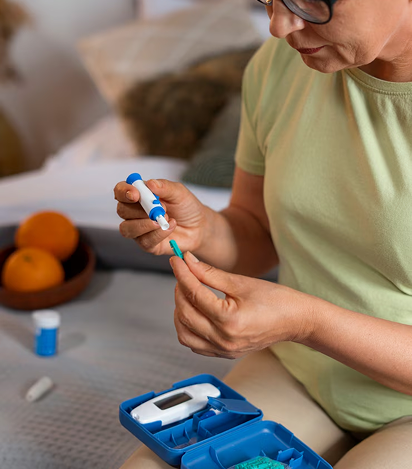
This occurs when cells don't get the energy they need from glucose due to insulin resistance, prompting the body to feel hungry more frequently. This cycle can contribute to weight gain, which further exacerbates blood sugar issues.

High blood sugar can cause dehydration, leading to dry skin and mouth. Persistent dry skin can become itchy and uncomfortable, potentially causing secondary infections if scratched.

Disruptions in blood sugar levels can impact sleep, causing individuals to wake up frequently during the night, especially if they need to urinate often. Poor sleep can, in turn, exacerbate fatigue and blood sugar instability.
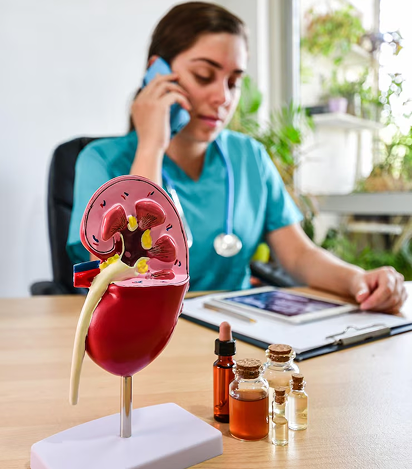
Blood sugar fluctuations impact brain function, often leading to mood swings or feelings of irritability. Managing blood sugar levels can help stabilize mood and improve mental well-being.
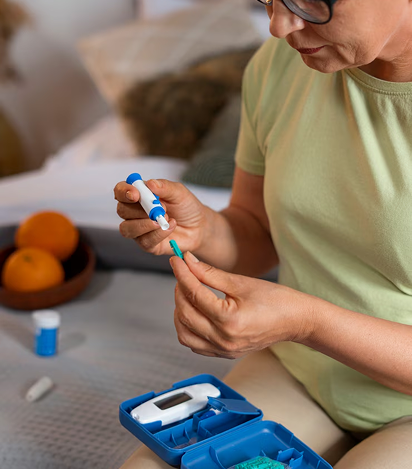
A condition known as acanthosis nigricans causes patches of dark, velvety skin, often in skin folds such as the neck, armpits, or groin. This can be an early indicator of insulin resistance, a precursor to Type 2 diabetes.
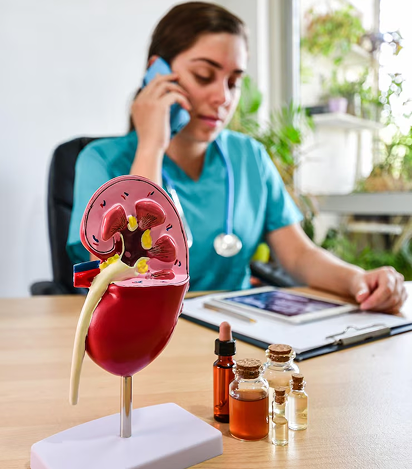
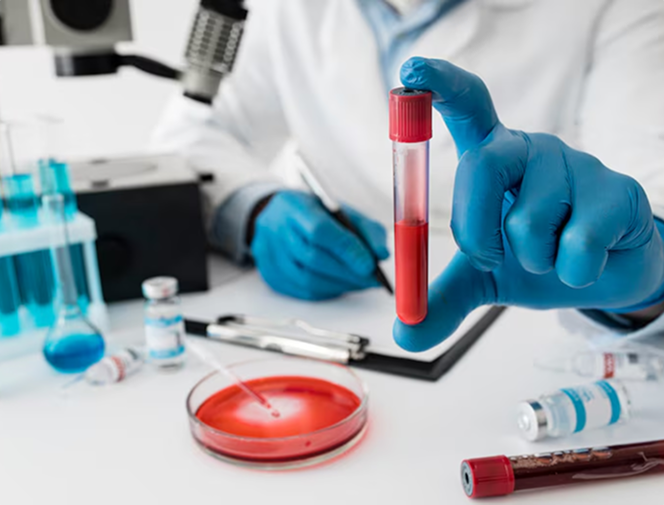
Understanding the testing methods for Type 2 diabetes is crucial. In Canada, blood glucose is measured in mmol/L, and testing typically involves the following methods:
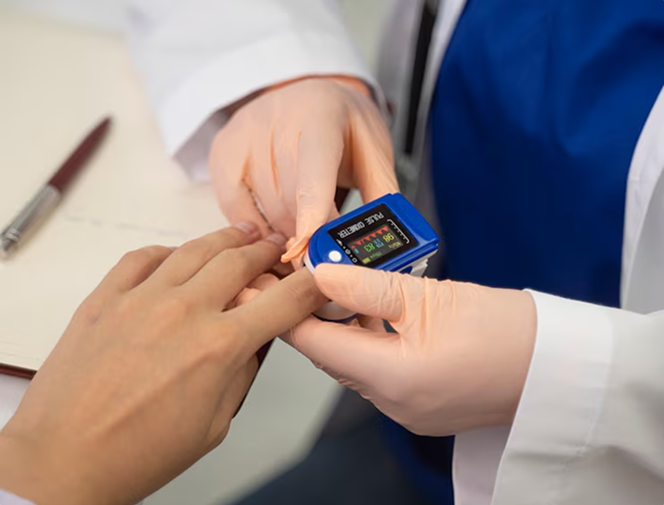
Early detection and intervention can make a significant difference in managing Type 2 diabetes. Without treatment, prolonged high blood sugar can lead to serious complications including cardiovascular disease, kidney damage, eye conditions like diabetic retinopathy, nerve damage causing pain and numbness, and foot damage that can lead to severe infections.
Proper management of Type 2 diabetes can prevent complications and improve quality of life. Focus on balanced meals that regulate blood sugar with whole grains, lean proteins, and low-fat dairy. A diabetes-friendly plate consists of half non-starchy vegetables, one-quarter lean protein, and one-quarter whole grains or starchy vegetables. Exercise enhances insulin sensitivity—aim for at least 150 minutes of moderate activity per week.

Preventive steps can significantly reduce the risk of complications.

Understanding and recognizing the symptoms of Type 2 diabetes is crucial for early diagnosis and effective management. Symptoms can be subtle, but proactive health checks and an awareness of changes in your body can make all the difference. If you or a loved one are at risk for diabetes or showing symptoms, seeking medical advice is the first step. TelePlus Care provides professional Diabetes Care in Alberta, ensuring you have the guidance you need to manage and live a healthy life with diabetes. Connect with TelePlus Care today for personalized Diabetes Care.

Connect with a licensed healthcare provider from the comfort of your home. No referral needed — book your virtual appointment today.
Book Your Appointment NowTelePlus Care is not an urgent care clinic. If you have an emergency, please call 911 or go to the nearest urgent care facility.
Choose the service you need and complete a short intake. No referral is needed.
Speak with a Canadian licensed doctor by phone or secure video, daily from 8:00 AM to 7:00 PM Mountain Time.
When clinically appropriate, you can receive a prescription, a note, a lab requisition, or a referral.
Virtual care is not for emergencies. Call 911 for an emergency, or 811 for free nurse advice.
Want to hear from patients? Read TelePlus Care reviews on Google
Medical Disclaimer: The information on this website is for general informational purposes only and does not constitute medical advice. Always consult with a qualified healthcare provider before making any health-related decisions. If you are experiencing a medical emergency, call 911 immediately.
Find us in Edmonton, Alberta